
Cracked Heels Solution & Deep Fissure Care
Restore Severely Cracked Skin
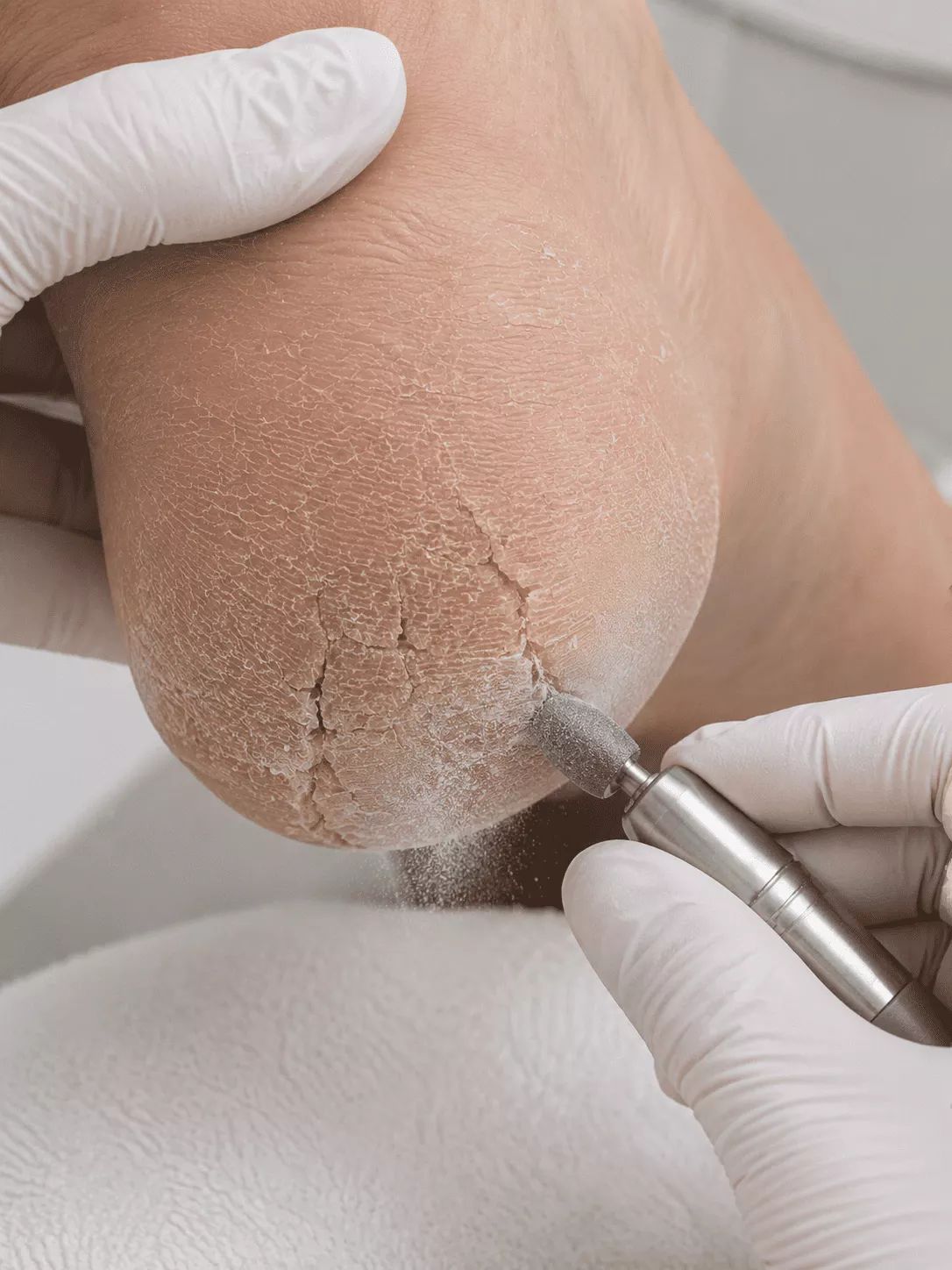
Deep heel fissures are not just a cosmetic issue; they can be incredibly painful and open the door to bacterial or fungal infections. Our Cracked Heels Solution provides a thorough approach to addressing dry, split, and bleeding heels. We focus on the safe, mechanical reduction of thickened skin perimeters surrounding the cracks.
We utilize professional exfoliation combined with deep moisturizing solution, which is specifically formulated to restore severely cracked skin. By carefully smoothing the edges of the fissures, we relieve the tension that causes skin to split further when you walk. Enjoy noticeable improvements after just one session, while ongoing care promotes lasting results for comfortable and resilient feet.
Benefits of Our Advanced Protocol:
- Hardware Exfoliation: Safe e-file removal of hardened skin edges preventing further cracking.
- Deep Hydration: Specialized moisturizing solution to restore skin elasticity.
- Infection Prevention: Proper cleaning of deep fissures to protect against external pathogens.
- Immediate Comfort: Noticeable relief from pain and pressure after a single session.
The Three-Step Healing Approach
Fissure Evaluation
We carefully inspect the depth and severity of the cracks to determine the safest and most effective method for skin reduction.
Professional Exfoliation
Using specialized podology hardware, we gently buff away the hard, callused borders of the cracks, alleviating tension and allowing the skin to close naturally.
Moisturizing & Occlusion
We apply deep-penetrating restorative ointments and, if necessary, protective dressings to lock in moisture and accelerate the healing process.
Why Do Heels Crack in the First Place?
Deep heel fissures occur when the skin around the rim of your heel becomes thickened (hyperkeratosis) and loses its natural elasticity. When you stand or walk, the fat pad under your heel expands sideways. If the skin is too dry and rigid to stretch, it simply splits open under the pressure.
Footwear Habits
Open-back sandals, flip-flops, or walking barefoot allow the heel pad to expand outward without support, increasing the risk of splitting.
Systemic Dryness
Conditions like diabetes, hypothyroidism, or natural aging reduce sweat gland activity, leaving the skin chronically dehydrated and brittle.
Biomechanics
Prolonged standing on hard surfaces or carrying excess weight multiplies the downward pressure on the heel pad, forcing the rigid skin to crack.
Why At-Home Scrubbing Makes It Worse
The most common mistake people make is aggressively scrubbing their cracked heels with a pumice stone, metal "cheese grater," or harsh foot file in the shower.
Here is why this fails: Aggressive friction generates heat and micro-trauma. Your body interprets this friction as an attack. In response, it triggers an inflammatory defense mechanism, causing the skin cells to multiply and grow back even thicker and harder to protect the heel. Our podological e-file technique safely reduces the callus using specific speeds and ceramic/diamond bits that do not trigger this defensive response.
Frequently Asked Questions
Will the solution hurt if my cracks are deep or bleeding?
How many sessions will it take to close the fissures completely?
What should I do at home between appointments?
Can cracked heels be a sign of a larger health issue?
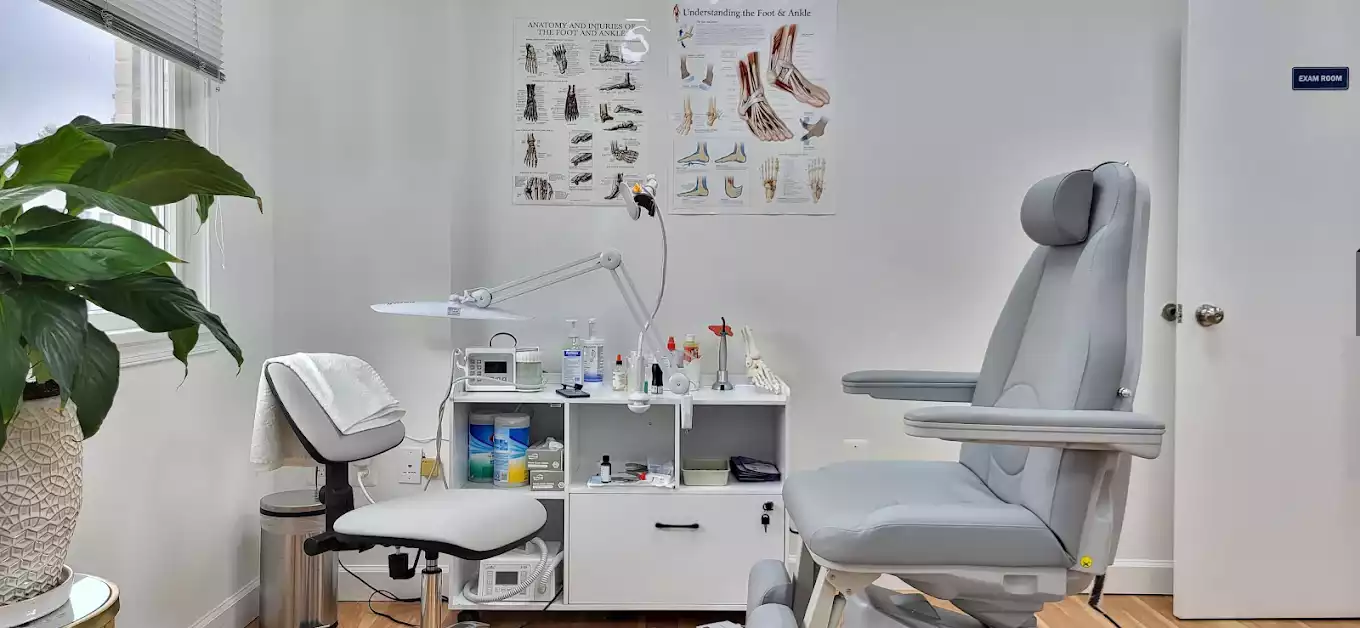
Noticeable improvements after just one session.