
Reviewed by Iryna Mozghovenko · Updated October 2026
Short answer: a pincer toenail curves sharply at the sides and pinches the skin of the nail folds, often before it actually grows in. Correct trimming and thinning ease the pressure but do not change the shape. A toenail brace gently lifts the edges and retrains the nail to grow flatter over several months, without surgery.
What Is a Pincer Toenail?
A pincer (or involuted) toenail is a nail that is excessively curved, so its sides press on the walls of the nail bed. It is closely related to an ingrown toenail: with a pincer nail the curve itself causes the pressure, even before the edge pierces the skin, and over time it can turn into an ingrown nail. It most often affects the big toe.
Common Causes
- Genetic nail shape — some nails simply grow with a strong curve.
- Tight shoes that squeeze the toes from the sides.
- Repetitive pressure or trauma, for example from running or hiking.
- Improper trimming — cutting the corners too short or rounding them.
- Thickening of the nail plate, which distorts how the nail grows.
- Regrowth after nail surgery, when the nail shape itself was never corrected.
When a Curved Nail Becomes a Problem
- sharp pain at the edge of the nail, especially with shoe pressure;
- redness and swelling along the side of the nail;
- tender, hardened skin around the nail edge;
- infections that keep coming back.
Redness, swelling or any sign of infection means a podiatrist should see it first (see the list below).
What Actually Helps
- Correct trimming and roomier shoes. Trim straight across, not too short, and give your toes space. This reduces pressure but does not change the curve.
- Thinning a thick, curved nail. A podology e-file reduces thickness painlessly, which eases the pressure inside the shoe. This is part of our Medi Pedicure.
- Toenail bracing. A non-surgical option that addresses the curve itself, not just the symptoms.
- Surgery — for an acute infection, severe nail damage, or when bracing has failed. That is a podiatrist’s decision.
How Bracing Works for Pincer Nails
A custom-tensioned brace is bonded across the nail plate and acts like a spring, lifting the edges off the skin. As the nail grows, the brace travels with it and is reinstalled until the correction is complete (for Unibrace and Frezera, every 4–8 weeks, from $125), usually within 4 to 9 months and 2 to 4 sessions.
| System | Best for | Price |
|---|---|---|
| Unibrace | Severely curved, pincer-shaped nails | $250 |
| Titanium Thread | Thicker or ridged nails | $150 |
| B/S System | Mild curvature on healthy nails | from $70 |
| Frezera | Complex or post-surgical cases | $250 |
| Toenail bracing | Surgical removal | |
|---|---|---|
| Anesthesia | None | Local injection |
| Downtime | None; normal shoes the same day | 1–2 weeks of limited activity |
| The nail | Preserved | Partly or fully removed |
| Coming back | Low risk if the correction is completed | Can regrow in a distorted shape |
Full details on the toenail braces page.
Real Result From Our Studio
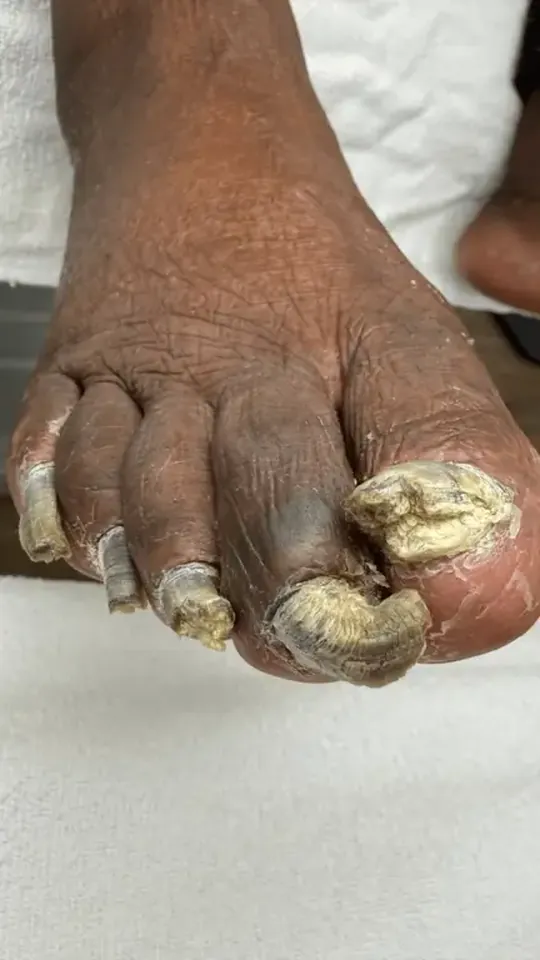
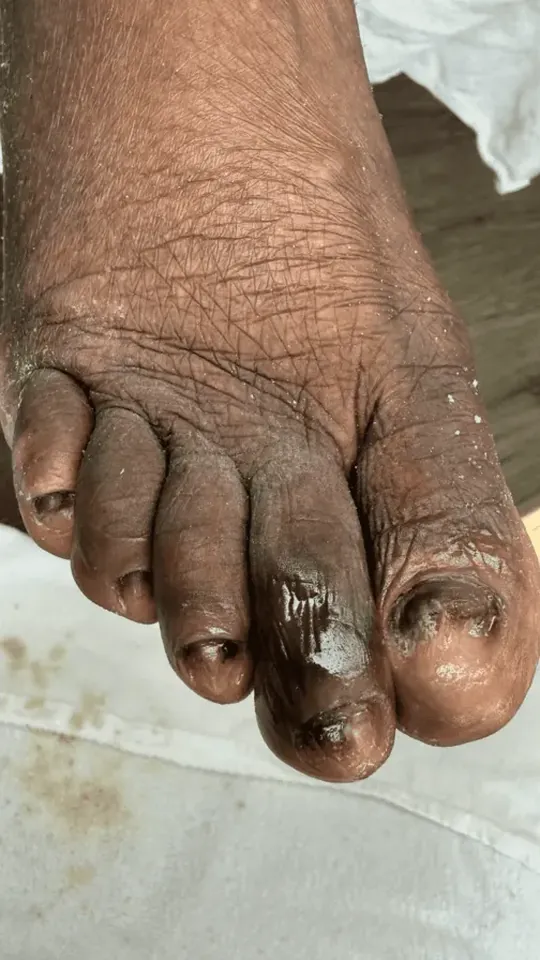
More results in the before & after gallery.
When to See a Podiatrist First
Our bracing service is cosmetic and non-medical. See a licensed podiatrist or physician before bracing if you have:
- redness or swelling around the nail, or signs of infection: pus, warmth, fever, or red streaks moving up the foot;
- diabetes, peripheral neuropathy or poor circulation;
- pain so severe you cannot put weight on the foot;
- a fleshy red lump (granulation tissue) growing alongside the nail;
- a child under 12, or several failed bracing or surgical attempts.
Frequently Asked Questions
Can a pincer toenail be corrected without surgery?
Does bracing a curved nail hurt?
How long does it take to straighten a pincer nail?
Which brace is best for a pincer nail?
Will the nail stay flatter afterward?
Can I wear normal shoes and exercise with a brace?
Related
About this guide. Written by the team at MedPedicure Center, a waterless foot-care studio in Rockville Town Square, Rockville, MD. Our founder, Iryna Mozghovenko, is a licensed nail specialist with more than 10 years of experience, trained in European podology. We provide cosmetic foot care, not medical treatment.
Book a nail assessment in Rockville
We assess the nail and recommend the right option. Most appointments are available within 1–2 weeks.
MedPedicure Center provides cosmetic foot care and does not diagnose, treat or cure medical conditions. For pain, infection, wounds or any condition that may need medical care, please consult a licensed podiatrist or physician.