
Medical Pedicure for Thick Nails & Calluses in Rockville, MD
Care for Tough Foot Problems
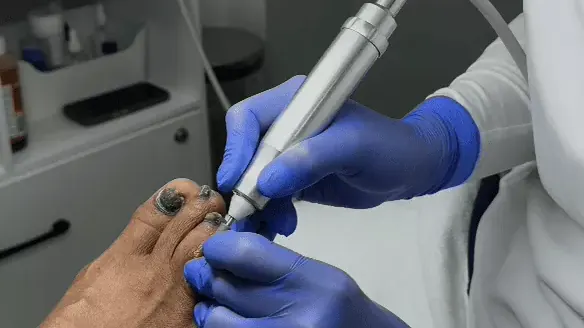
A regular pedicure is about looks. But what if you have problems a regular salon can't safely handle? Our Medical Pedicure is made for these cases. We work without water, with sterile tools.
Painful calluses, badly peeling skin, very thick or damaged toenails, deep cracked heels, or ingrown nail discomfort — our licensed specialists take care of it safely with a precise electric file (e-file). The care is thorough and clean, and the visit is calm and relaxing.
Targeted Solutions We Provide
- Thick & Damaged Nail Reduction: we safely thin bulky nails so they're comfortable and grow better. See toenail fungus solution.
- Severe Callus & Corn Removal: we painlessly file down hard, thick skin.
- Cracked Heel Restoration: we smooth deep cracks so they can heal. Learn more.
- Ingrown Nail Relief: careful trimming and cleaning of the nail edge to take the pressure off right away. See toenail braces.
The Restorative Protocol

Complexity Assessment
We look at your calluses, cracks and nail thickness. Then we choose the right file tips and softening products.
Advanced Hardware Care
We carefully remove dead skin, thin the nails and smooth rough heel cracks. It doesn't hurt.
Intensive Rejuvenation
At the end we apply special serums and rich creams. They keep the skin soft and help it protect itself.
More Than Looks: Help for Serious Foot Problems
A Medical Pedicure is in between a salon pedicure and a visit to a foot doctor. Nothing is cut. We gently file away dead, hard skin and thick nail, so your feet look better and feel more comfortable right away.
Severe Calluses (Hyperkeratosis)
Thick calluses don't just look bad. They can change the way you walk and cause burning pain. We gently file them down with diamond and ceramic tips. We never go too deep, because that makes calluses grow back thicker.
Deep Heel Fissures (Cracked Heels)
When dry skin cracks, germs can get in. We carefully smooth the edges of deep cracks so the skin can close up naturally. Then we seal in moisture with a rich protective cream.
Thickened Toenails
Injury, age or fungal nail issues can make nails very thick. Thick nails press against your shoes and hurt. We safely thin the nail so it looks natural again and the pressure goes away quickly.
Why Some Salon Methods Are Risky
If you have serious foot problems, a regular nail salon can make them worse. Some salon methods are rough and can hurt healthy skin. At MedPedicure Center, we never use:
- Credo blades ("cheese graters"): blades often cut into healthy skin. This leads to cuts, infections and calluses that grow back faster.
- Harsh acid peels: acid callus removers can't tell dead skin from healthy skin. They can burn the skin, especially on diabetic feet.
- Cutting cuticles too much: we keep the eponychium (the thin skin at the base of the nail that protects it), so germs can't get in.
Real results from Medi Pedicure visits
See all results →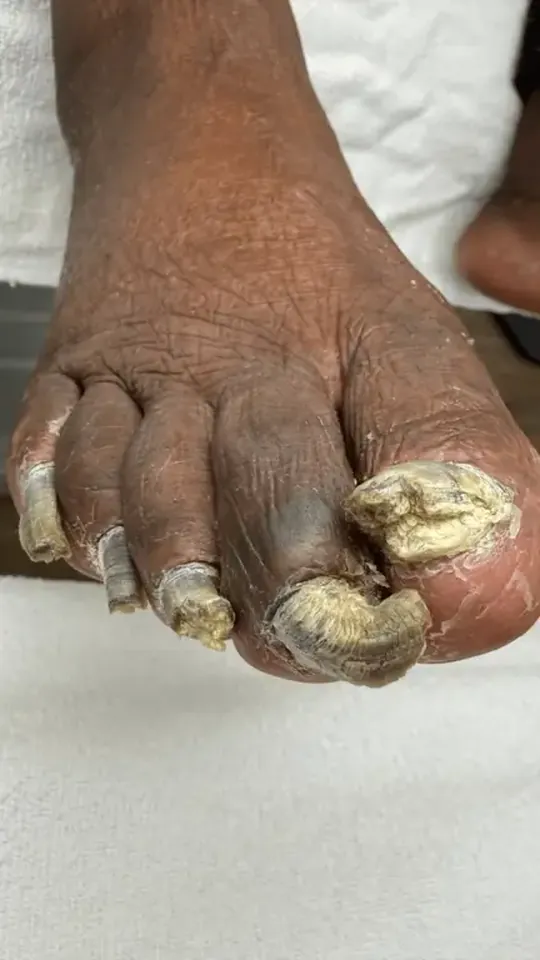 Before
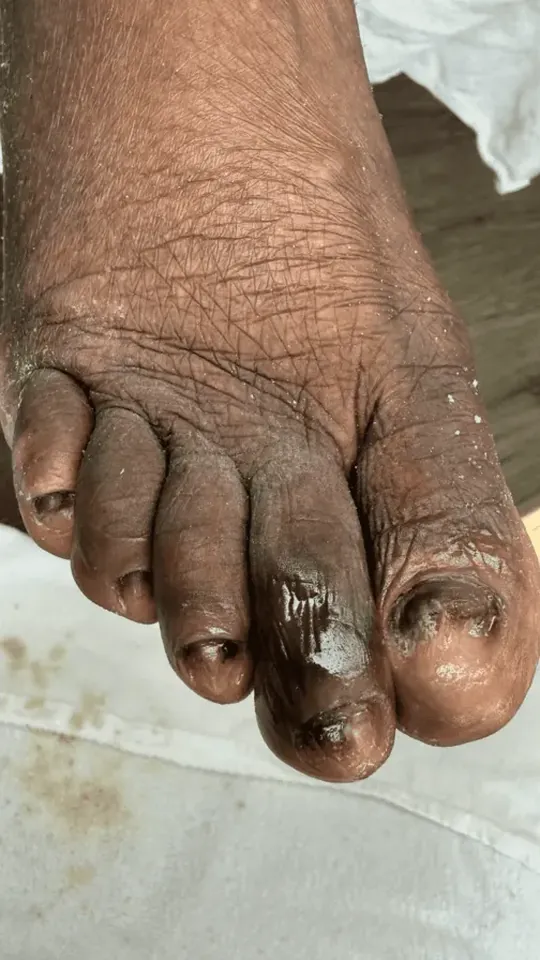 After
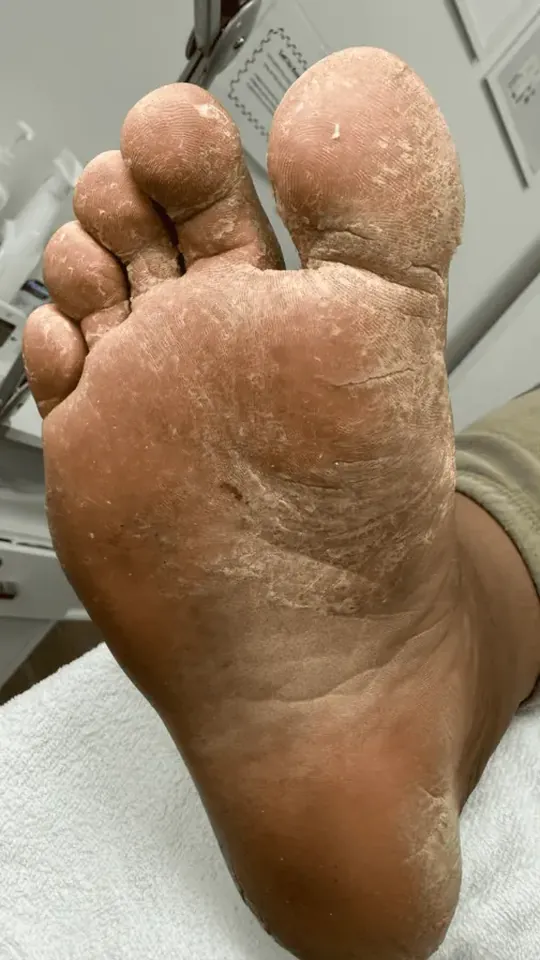 Before
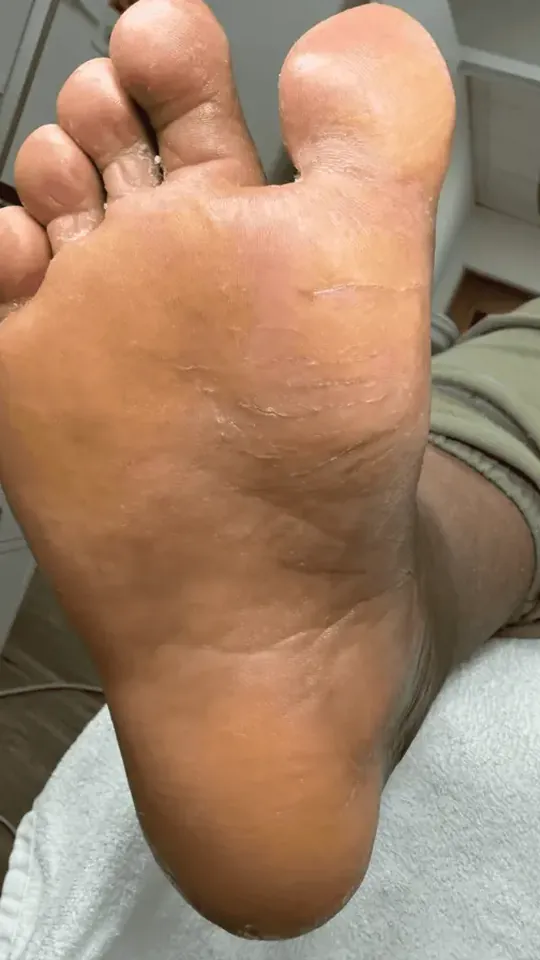 After
Medi-Pedicure vs. Podiatrist Visit: Who Does What
A Medi Pedicure is cosmetic care. It improves how your feet look and feel, and takes care of problems from years of neglect or bad salon care. A podiatrist is a foot doctor who diagnoses and treats foot diseases. We do different jobs, and most clients end up needing both.
What works best for most of our clients: see a podiatrist once for a diagnosis and, if needed, a prescription. Then come to us for regular Medi Pedicures to keep your feet looking and feeling good. We work together, not against each other.
10 Conditions We Routinely Handle
A typical month at our Rockville studio, most common first. A regular salon pedicure can't help with these, and most podiatrists don't do this cosmetic work.
Thick, distorted toenails
From years of pressure, fungus, or repeated trauma.
Fungus-affected nail plates
We clean the nail cosmetically while you use antifungal medicine from your doctor.
Deep heel cracks (fissures)
Deep care that creams alone can't give.
Diabetic foot maintenance
No water, no blades — made for skin that heals slowly.
Ingrown nail edges
We clean and lift the nail edge; a brace if it keeps coming back.
Hyperkeratotic calluses
Safely filed down with an e-file — never cut with a razor.
Corns & pressure points
We find them, gently file them down and give you shoe advice.
Damage from previous salons
Thin nails, over-cut cuticles, sore nail beds.
Pre-event foot restoration
Wedding, beach trip, big meeting — neat, clean feet, fast.
Post-surgical maintenance
Cosmetic care after foot surgery, once your surgeon says it's OK.
How Many Sessions You Will Actually Need
Many people worry: "Will this go on forever?" The honest answer depends on how much your feet need. Here is what to expect, depending on where you start.
Starting condition: Good
1 session, then maintenance every 6–8 weeksYour nails and skin are mostly healthy, and you want to stop going to salons. One Medi Pedicure to reset, then a Wellness Pedicure to keep things nice — it's lighter and cheaper.
Starting condition: Moderate
3–4 sessions over 3 monthsThick toenails, light fungus stains, small heel cracks, neglected calluses. Usually 3 visits, 4–5 weeks apart, bring your feet to a point that's easy to keep up.
Starting condition: Advanced
6–8 sessions over 9–12 monthsBadly fungus-damaged nails, deep heel cracks, feet neglected for years, or after an injury. Nature sets the pace: a big toenail takes 9–12 months to grow out fully. So even the cosmetic side takes time — a marathon, not a sprint.
Diabetic / chronic care
Every 4–6 weeks ongoingFor clients with diabetes or nerve damage (neuropathy), the goal isn't to "finish". The goal is regular professional foot checks that catch small problems before they grow — together with your doctor.
Frequently Asked Questions
Does a Medical Pedicure hurt?
Will one session fix my cracked heels entirely?
How is the complexity tier (Level 1 or 2) decided?
Does this service cure toenail fungus?
Do you serve clients from Baltimore?
*Please note: MedPedicure Center offers cosmetic foot care — we help your feet look and feel better. We do not diagnose, treat or cure medical conditions or diseases. Medical words on this page (like hyperkeratosis — thick, hard skin) are only used to explain things. If you have strong pain, an infection, possible fungus, problems from diabetes, or anything that may need medical treatment, please see a doctor or podiatrist.
Complexity Tiers
Your level is decided during the visit.